How Tablo and Lee Ha Roo's Subtitles Changed 'Nirvanna the Band'
Tablo and Lee Ha Roo's Korean subtitle credit raises a sharper question: how translation shapes the laughs in Canada's 'Nirvanna the Band.'
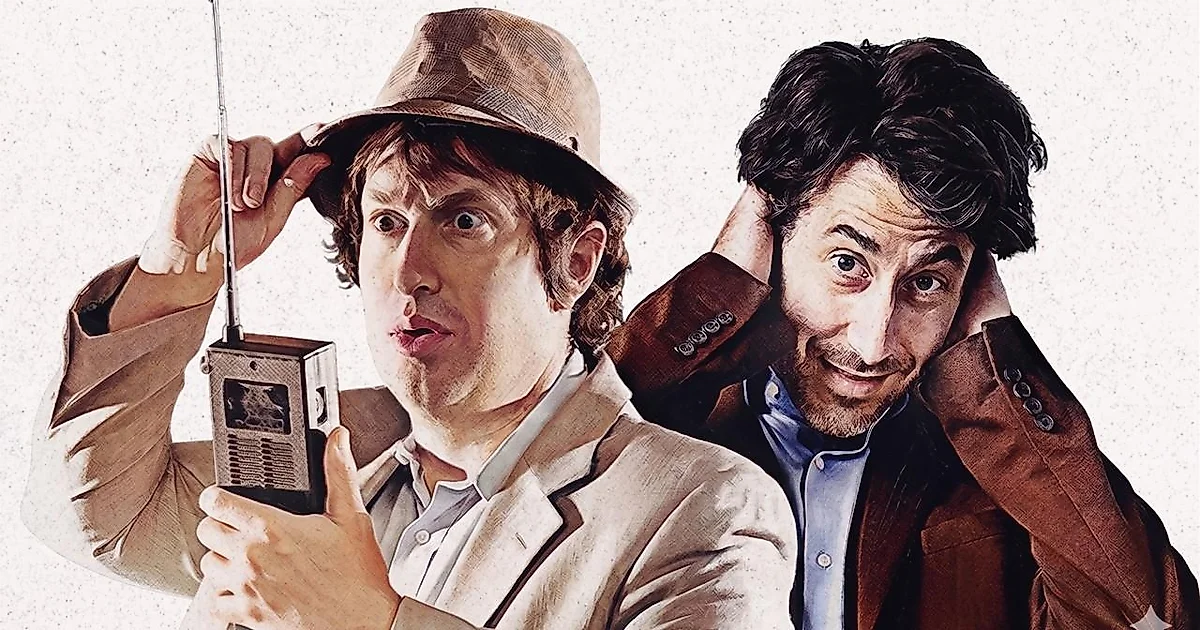
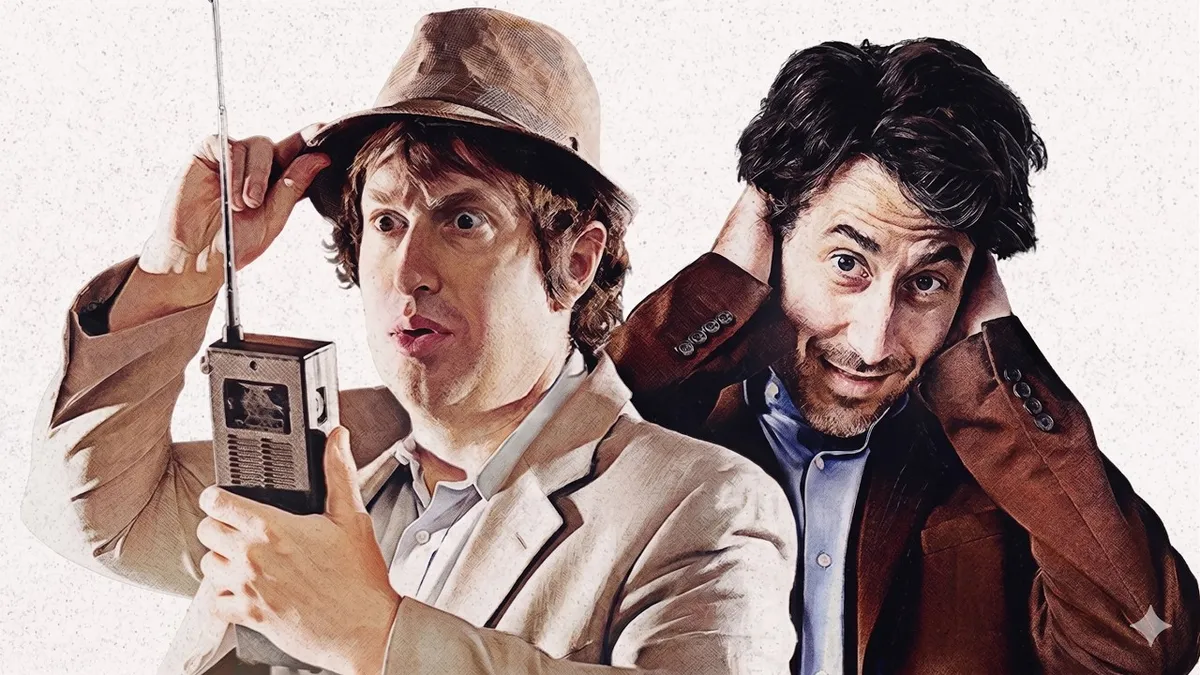
The point where Tablo and Lee Ha Roo's names stand out in 'Nirvanna the Band' is not simply as an update on a celebrity family. The film is a Canadian comedy about Matt and Jay, two characters who want to get onstage at the Rivoli and go so far as to bring up an absurd plan involving a time machine. Starting from the confirmed fact that Tablo and Lee Ha Roo took part in the Korean subtitles, this article looks at why translation that carries the speed of jokes and the friction between cultures can determine how the film is experienced by Korean audiences.
The first thing to clear away is exaggerated wording. Lee Ha Roo's participation can be confirmed in the translation section of the film information, but that alone is not enough to declare it a solo translator debut or proof of a particular talent. The verifiable facts are narrower and therefore more important: Tablo and Lee Ha Roo are listed together for the Korean translation, and Tablo explained in a publicly released video that they divided parts of the work between them. That is why the central question here is more specific. Why did subtitle participation become news for this film in particular?
What the translation credits can actually verify
The film information page lists 'Nirvanna the Band' as a 100-minute Canadian film released on May 20, 2026. The director is Matt Johnson, and the cast list includes Matt Johnson, Jay McCarrol, and Ben Petrie. In the staff section, Tablo and Lee Ha Roo are listed together under translation, while Greennarae Media and BDNS appear under import. This combination provides a firmer point of confirmation than a one-off mention in a video.
The working method Tablo described in a BDNS video also has journalistic significance. He said he watched the film while thinking through how it should be translated, and that after Lee Ha Roo showed interest, they worked by dividing the sections each would handle. The important clue here is not a family narrative but a collaborative process. Comedy translation is not just about making one sentence sound elegant. It is about placing the wordplay where the laugh should land and keeping the rhythm that carries the viewer into the next scene. The heart of this story is that a father-daughter conversation became connected to the way the work was actually done.
The difficulty visible in the official trailer
The official trailer quickly shows that this is not an easy explanatory comedy. Matt and Jay are not directly connected to the famous band Nirvana, yet they keep pushing the name 'Nirvanna the Band,' and their choices become increasingly unrealistic as they try to reach the venue stage. The camera shakes like a mockumentary, while the dialogue has to explain the situation and deliver jokes at the same time. In a film like this, if the subtitles arrive even a beat late, the laughter arrives late as well.
The comedy in this work comes less from the dictionary meaning of the words than from the attitude behind them. The characters speak seriously, but what they say is absurd; they fail again and again, yet they believe in themselves far too much. That rhythm creates the humor. Korean subtitles should not erase that awkwardness. If the lines are polished too smoothly, Matt and Jay's shabbiness disappears. If they are translated too literally, the speed of the scene stops. Tablo and Lee Ha Roo's participation is interesting precisely because the work sits inside that narrow gap.
The context of a film chosen by BDNS
The next axis to examine is the importer. BDNS has publicly shown its process of searching overseas for comedy films as if the process itself were content, allowing audiences to follow the reasons for a selection and the trial and error behind it even before they see the finished film. Usually, the import process for an overseas independent film stays hidden behind a distributor's short description. With 'Nirvanna the Band,' the discovery process itself was consumed first. Before buying a ticket, audiences had already seen part of the answer to the question, 'Why this film?'
When the subtitle participation issue was added, the texture of the promotion changed. Tablo is a musician who has long worked with rhythm between English and Korean, and BDNS is a creator group that has to introduce unfamiliar comedy to Korean audiences. Lee Ha Roo's name adds the viewing sensibility of another generation between those two points. This combination has a clearer function than simple buzz. It creates curiosity about how this strange film can be made funny in Korean.
How the CGV campaign widened the audience touchpoints
Theater contact points moved in the same direction. CGV, working with BDNS, ran a 'Pop Deal Time' campaign tailored to the exclusive release and connected seven types of merchandise, including T-shirts, hats, and water bottles, with participatory content during screen advertising time. This was closer to a device for reducing the unfamiliarity of the film than a simple merchandise sale. It first showed audiences who did not know the work the characters and the tone of the jokes, and it gave BDNS fans a content experience that continued inside the theater.
This method differs from promotion for a major franchise. Instead of leaning on famous actors or the recognition of a series, it ties the import process, translation participation, and theater campaign into one story. That is why the domestic response to 'Nirvanna the Band' is difficult to explain only through the quality of the film itself. As audiences go to see the movie, they also check the choice BDNS made, the jokes Tablo and Lee Ha Roo translated, and the event CGV created.
The remaining standards after 40,000 admissions
Reports that the film passed 40,000 cumulative admissions 11 days after release do not make it a blockbuster. Still, the fact that a Canadian comedy with low domestic recognition gathered early viewers in the independent and art-film market deserves separate attention. In particular, that number suggests the possible combined effect of a fandom that watched the content selection process, curiosity about the subtitle participation, and word of mouth around the comedy genre, rather than the force of star casting.
The remaining standard is simpler. If the fact of translation participation created early interest, laughter now has to continue inside actual theaters. Comedy subtitles are not decorative material that ends at the article headline; they are a quality factor that decides whether viewers recommend the film after watching it. If Tablo and Lee Ha Roo's names were the starting point for this film's Korean conversation, the next evaluation will depend on how naturally audiences accept Matt and Jay's strange adventure as Korean-language comedy. That is also the checkpoint left by 'Nirvanna the Band.'