How VIVID Is Opening the Door to Hwang Chansung’s AI Publicity Rights
VIVID’s beta launch and AI ad contest with Hwang Chansung and Norazo test how licensed celebrity identity data can be used in generative video.
VIVID’s beta release and the AI advertising contest using the likeness IP of Hwang Chansung and Norazo are closer to an experiment in bringing celebrity publicity rights into AI production tools than to a simple promotional event. The central issue is not deepfakes that secretly synthesize a famous person’s face, but how a platform manages rights-holder-approved data and how far it allows creators to use that data.
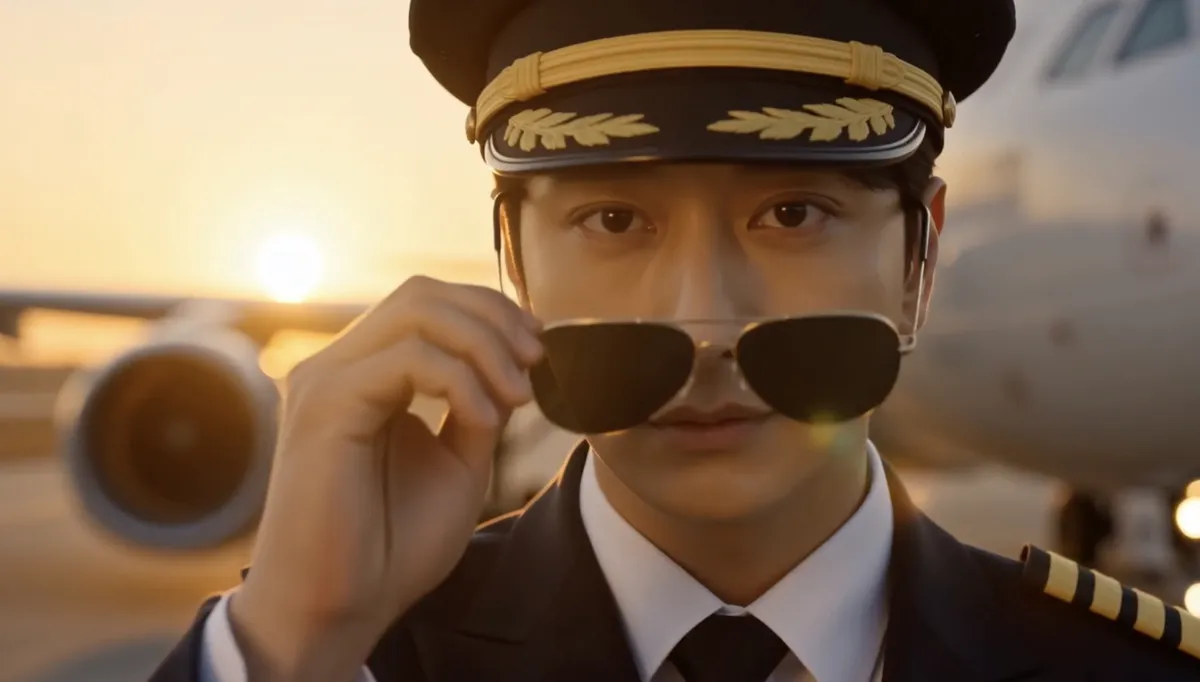
Akaein will release the beta version of its AI video production platform VIVID on June 8 and run an AI advertising video contest using the likeness IP of Hwang Chansung and Norazo. For K-entertainment readers, the significance is clear. As fandom and the advertising market already move through short-form and generative video, a star’s face is no longer just one publicity photo. It is becoming a matter of contracts, data, and platform operating rules.
The Contract Structure Comes Before Unauthorized Synthesis
This contest puts front and center the fact that Hwang Chansung’s and Norazo’s publicity rights are being provided on the basis of formal contracts. Participants create advertising videos inside VIVID by using the celebrity IP made available there, then submit the finished work directly within the platform. This is where the phrase “opening publicity rights,” by itself, was not enough in the earlier framing. “Opening” does not mean that anyone can take and use a celebrity’s face. It means that creation is permitted after the platform has already defined the available data and the permitted scope of use.
That structure presents an unfamiliar assignment even for entertainment companies. Traditional publicity-rights management has centered on finished outputs such as advertising model contracts, pictorials, and broadcast appearances. In generative AI production, by contrast, data from a single shoot can lead to countless prompts and altered scenes. Unless the rights holder’s consent, the entity building the data, submission review, and the scope of monetization are designed as one package, the boundary between fan creation and commercial advertising can blur quickly.
VIVID Is Not Just Targeting Production Convenience
What stands out in VIVID’s feature description is not only text input. Prompt entry, reference file uploads, video length and aspect ratio settings, previewing, trimming, timeline cut editing, and audio placement are tied together into a single-screen workflow. That signals an ambition to become a production tool that assembles advertising material all the way to completion, not simply an image generator.
KDDC’s digital DNA extraction technology is added to that workflow. Taken together, the related descriptions indicate that face and identity data for Hwang Chansung and Norazo are built into a form that can be used for AI content production, while participants use that official data to modify concepts. The important difference is not “making something look similar,” but “making it with authorized data.” From a fandom perspective, the first thing to verify should not be whether the result is entertaining, but whether it was produced in a way that does not infringe on the artist’s rights.
Key Schedule and Figures for the VIVID AI Advertising Contest
The contest chart summarizes VIVID’s beta release and the start of submissions on June 8, the submission deadline on June 22, the awards ceremony on July 9, four participating brands, total prize money of 13 million won, and a grand prize of 10 million won. The core checkpoints are: June 8 for the beta release and opening of submissions, June 22 for the submission deadline, July 9 for the K-Forum awards ceremony, four participating brands, 13 million won in total prize money, and 10 million won for the grand prize.
The More Important Point Is That Advertisers Are Involved
Four brands are taking part in the contest: Boksoondoga, Truth of Beauty, Immunica, and Hansol Shinyak. The submission period runs from June 8 to June 22. Total prize money has been announced at 13 million won, with 10 million won set aside for the grand prize. The awards ceremony is connected to the 2026 K-Forum, which will be held on July 9 at Conrad Seoul in Yeouido, Seoul. If one looks only at the schedule and prize money, it may resemble an ordinary contest. The real variable, however, is the level at which brands are willing to accept celebrity AI IP in the advertising production process.
Advertisers are most sensitive to the possibility of damaging a model’s image. Generative video is fast and inexpensive, but if a brand message and an artist’s identity diverge, the risk grows at the same speed as the content’s spread. For that reason, the success or failure of this experiment is likely to depend less on view counts or buzz than on judging standards, the public visibility of submissions, and the rules for secondary use of winning works. If the platform can show those points clearly, AI publicity-rights IP could move beyond a fan event and become supporting infrastructure for advertising production.
The Boundary Between Fandom Participation and Publicity Rights
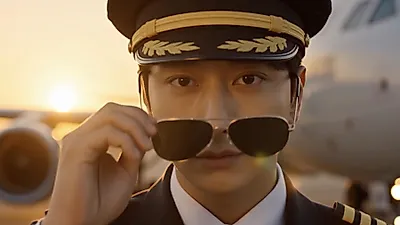
Hwang Chansung is a figure who has continued both his activities with 2PM and his work as an actor, while Norazo is a duo accustomed to strong concept transformations. It is hard to see the choice of these two acts as the first cases as a coincidence. They make it easy to show dramatic concept shifts, such as a pilot, an angel, or a king, and there is room for the public to receive scenes that differ from their established images as a form of play. At the same time, that strength becomes the boundary line. Entertainment value must not cover up rights infringement.
Akaein CEO Jeong Ui-seok said the project was designed by combining formal IP contracts with AI video production technology so creators can safely make content based on star IP. The word that needs attention in that statement is “safely.” A safe AI creation ecosystem is not completed by technical performance alone. Operational mechanisms such as the method for providing data, rights-holder review, brand-specific usage conditions, and labeling or watermarking generated works must function together.
Three Things to Watch After the June 8 Release
The next checkpoints are the official website and detailed rules to be released on June 8. First, it will be necessary to confirm the scope of Hwang Chansung and Norazo data that participants are allowed to use. Second, the distribution of commercial-use rights for winning works and submitted works among creators, brands, the platform, and rights holders will be important. Third, the project needs to disclose how it will mark AI-generated works and what standards it will use to filter inappropriate prompts.
VIVID’s attempt is not a story that optimistically papers over the deepfake controversy. Rather, after unauthorized synthesis has already become a reality, it is closer to a first test of the conditions under which the entertainment industry will turn stars’ faces into digital assets. The value of the Hwang Chansung and Norazo contest will be judged not only by the quality of the winning works, but also by how concretely the public rules connect creative freedom with the protection of artist rights.
Related articles

Kwon Eunbi Expands Summer Queen Image Through Bali Vlog